
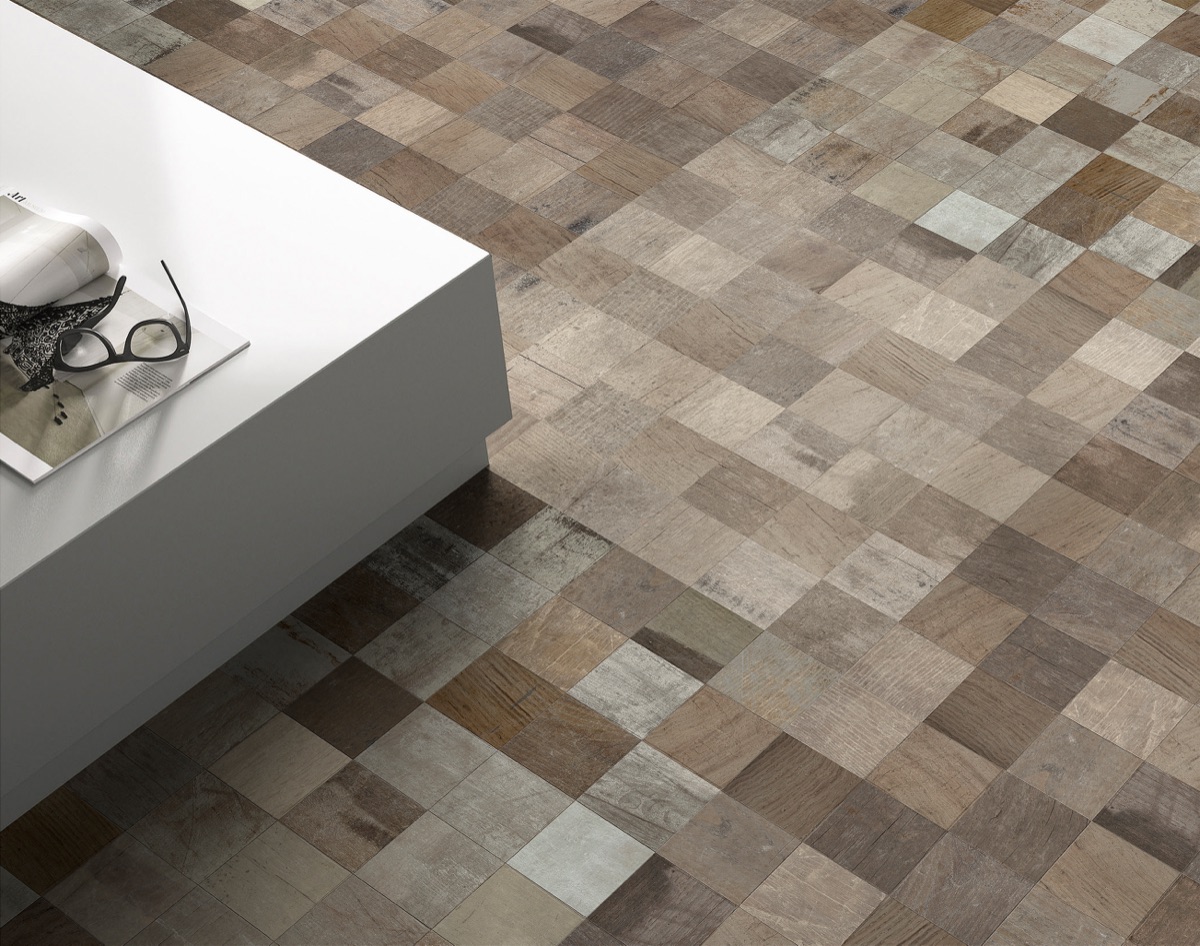
A 3D printed surface is only as good as its protection layer. Print the most photorealistic oak grain in the world, then cover it with a hazy generic wear layer, and you lose half the detail before the floor even ships. Infinite Glass is our answer to that problem.
Three jobs, one layer
Infinite Glass is a UV-cured coating engineered to do three things at once: stay transparent, resist wear, and deflect ultraviolet light away from the pigment below. Most commodity topcoats pick one.
- Super transparent — preserves the vibrancy of the 3D print underneath
- UV-blocking chemistry — reduces sun-induced colour shift and fade
- Scratch and wear resistance exceeding ASTM wear-through standards
- Cures in-line immediately after print, locking the design in place
Why clarity is the hardest property
Making a topcoat tough is easy. Making it tough and optically perfect is the hard part. Most hard coatings scatter light, giving the floor a plastic sheen. Infinite Glass is tuned at the molecular level to minimise scatter while maximising hardness — so the print below reads the way you expect real wood or stone to read.
The visible result: fewer of those “cloudy white” highlights you see on generic LVP, and more of the warm, saturated colours you saw in the sample chip.