
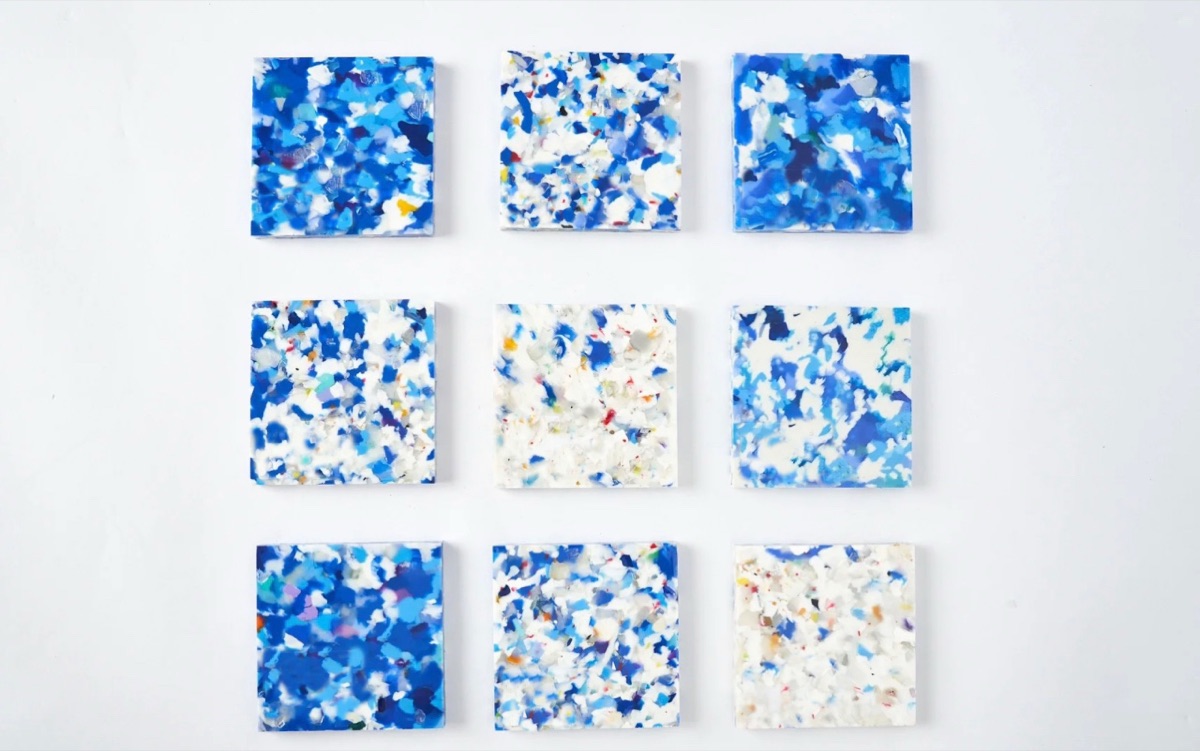
Flooring sample photography can make a remote development conversation easier, but only when each image answers a recognizable question. A close crop may show an interesting grain feature while hiding which sample it came from. A bright room photograph may communicate a mood without helping someone locate the detail under discussion.
For private-label teams, a repeatable brief connects the sample, the view and the intended decision. It also states what a photograph cannot establish. The following approach is editorial guidance for organizing reference images, not Benchwick's photography requirements or a product acceptance standard. Confirm the receiving team's needs before arranging a shoot, and keep physical references available when the decision depends on color, texture or other qualities that photographs cannot fully convey.
Give flooring sample photography one clear purpose
Begin with a short question. You might need to identify a sample, explain a visible feature or compare two proposed design directions. These purposes need different views. Avoid asking a single attractive photograph to serve as an identity record, appearance approval and technical inspection at the same time.
Write the intended use beside the request. Is the image for an internal discussion, a manufacturer clarification or a presentation? A development reference should not silently become approved marketing material. Keep any later permission or approval separate from the fact that someone supplied a photograph.
Ask the recipient what information is missing from the existing references. A targeted reshoot is often more useful than sending another large folder of similar views. Agree on the question first, then select the views that will help answer it.
Connect every view to the actual sample
Record the sample identifier, design reference and revision before photographing it. If the label and the project record disagree, resolve the identity question before distributing the images. Do not relabel a sample based on visual similarity to an older file.
Include an identity view that allows the recipient to connect the physical item with its record. Keep unrelated personal information out of the frame. Use a consistent file reference so a close-up can be traced back to the broader view without requiring someone to remember the order of email attachments.
For multiple samples, retain a simple image index. List which item appears in each frame and identify left-to-right positions when several are shown together. Do not assume that a later reader will know which sample was moved between photographs.
Choose views by the question they answer
| View | Useful purpose | Important limitation |
|---|---|---|
| Identity view | Connect the photographed item to its label and record | Does not establish approval or product performance |
| Broad surface view | Explain the overall arrangement and locate a feature | May not show fine surface detail |
| Detail view | Point to the exact region under discussion | Can exaggerate a feature when separated from context |
| Side-by-side reference | Show two identified items in the same documented setup | Does not prove an exact color match |
| Annotated derivative | Mark a question on a copy of an original image | Must remain distinguishable from the untouched capture |
Ask for both context and detail when a small region is the subject of the conversation. A marked overview can show where the detail belongs. State why an additional angle is needed instead of collecting views without a decision in mind.
Document conditions instead of promising color accuracy
Keep the capture arrangement as consistent as practical when comparing samples. Note the lighting arrangement, background, sample orientation and device used. If any of these change between views, record the difference so the recipient can interpret it.
Consistency makes the comparison easier to discuss; it does not turn an ordinary photograph into a calibrated color measurement. Avoid numerical settings presented as universal requirements. Ask the relevant specialists what controlled method is appropriate if the project needs a formal color decision.
When a surface feature appears different under another angle or lighting arrangement, describe the observation without assigning a cause. A useful note says where the feature appears and which views show it. It should not claim that the photograph alone proves a manufacturing problem or a performance characteristic.
Keep surface illustrations within their evidence limits
Benchwick's official innovation overview identifies Blue Eleven with digital printing and DSE with synchronized embossing. Those distinct subjects provide context for keeping printed appearance and surface-texture questions identifiable in a development discussion.
A brand illustration is not a photograph of your particular sample. Likewise, a project photograph is not automatically a record of an approved design revision. Label the origin and intended use of each image, and avoid borrowing a technology illustration to imply that a specific product has passed a review.
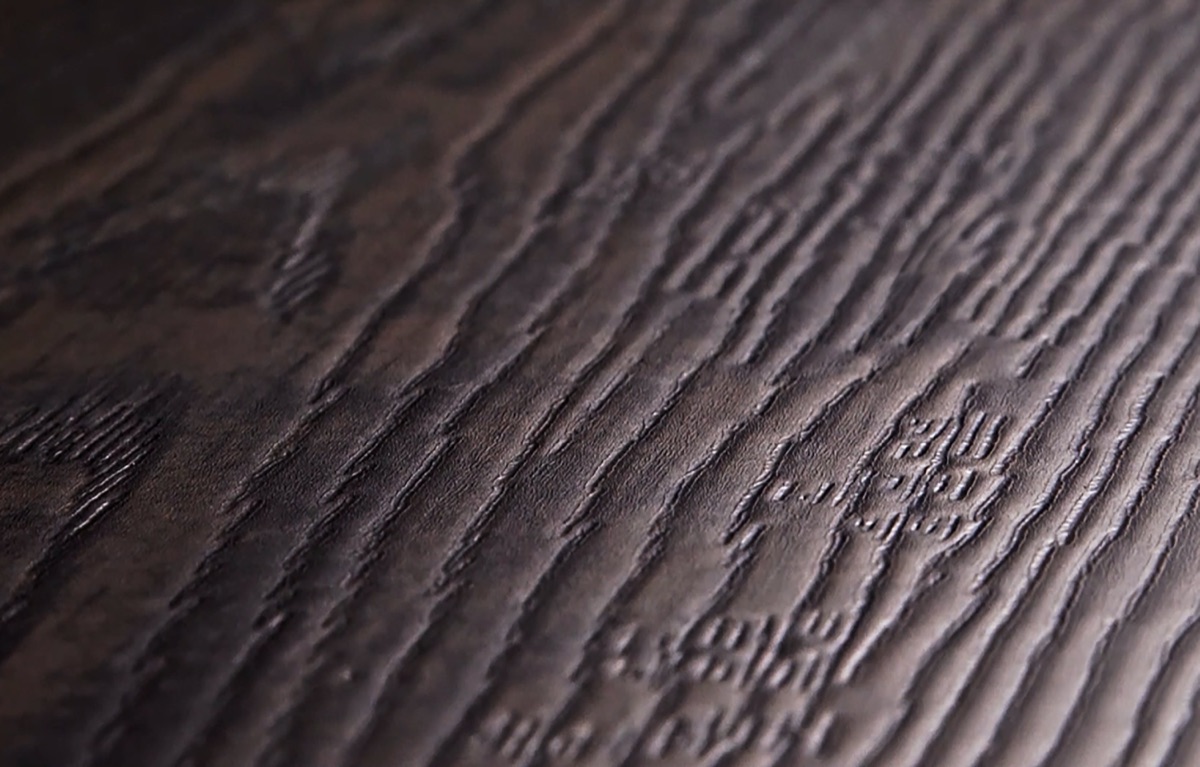
Consult the product overview for general context, then confirm the actual references relevant to the program. Do not infer construction, dimensions or suitability solely from a photograph. Keep those questions connected to the applicable product information and responsible reviewer.
Preserve originals and explain derivatives
Retain original captures in a clearly identified source folder. A cropped copy can focus attention, and an arrow can make a question easier to locate, but each derivative should refer back to the original. Use a label that explains the crop or annotation rather than calling every exported file final.
Do not remove surface features that are relevant to the review. If exposure or other presentation adjustments are necessary, disclose them and retain the untouched version. The purpose is to support an informed conversation, not to make an uncertain reference look more conclusive.
Before sharing, check that the files open, the index matches the filenames and the intended recipients can access the agreed delivery channel. Confirm permission to share the material. A successful upload proves delivery of files, not acceptance of their contents.
Close the brief with a decision record
Summarize what the photographs helped establish and what remains unanswered. Record a request for another view separately from approval of a sample. If a decision requires physical inspection, identify that next step without converting an image review into a substitute.
A useful flooring sample photography brief leaves the next reader with identified samples, purposeful views and visible evidence limits. Keep the originals, the image index and the actual response together. For project-specific clarification, use Benchwick's company contact page and bring the exact reference and question. Clear photographs support the conversation; the agreed review process and documented decision still determine what happens next.
Frequently asked questions
Can flooring sample photography replace physical review?
+
No. Photographs can explain a question and identify a sample region, but they do not reproduce tactile feel or establish an exact color match. Agree on the physical reference and review method needed for the decision.
Which views belong in a sample photo brief?
+
Start with an identity view, a broad surface view and a detail view tied to the specific question. Add other views only when their purpose is clear. State the sample reference and capture conditions rather than assuming the recipient can infer them.
Should a team edit sample photographs before sharing?
+
Preserve the original files. If a crop or annotation helps explain a question, send it as a labeled derivative linked to the original. Do not remove relevant surface features or present an edited image as an untouched capture.
What should happen when photographs appear inconsistent?
+
Check sample identities, revisions, lighting and capture conditions first. Ask for comparable views or a physical review where needed. Keep the question open instead of inferring a product change or approving an alternative from mismatched photographs.